
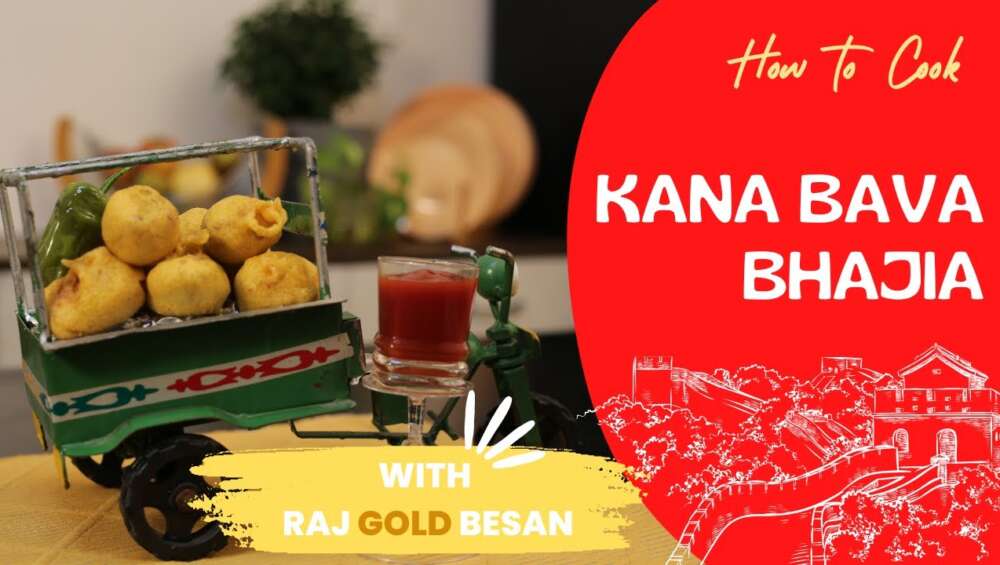
Perfecting Namkeen from Gram Flour (Besan): Technical Tips for Manufacturers
Gram flour (besan) is the backbone of India’s most-loved namkeen and savoury snacks—from gathiya and sev to bhajiya and fafda. Yet many manufacturers struggle with common quality issues: incomplete binding, uneven texture, excessive oil absorption, or loss of crispness after frying or storage. Understanding the functional and physical properties of besan is the key to achieving consistent, crispy, and flavourful namkeen that wins customer loyalty and repeat orders.
Why Besan Behaves Differently: Understanding Its Functional Properties
Protein Content and Binding Strength
Besan contains approximately 22 grams of protein per 100 grams—nearly double that of white wheat flour. When besan is mixed with water, its proteins form a cohesive network that holds vegetables, spices, and other inclusions firmly in place during frying. This binding capacity is essential: without it, onions, peppers, or potato chips would scatter and fall apart in hot oil. The protein also gelatinizes (sets) when exposed to the heat of deep-frying, creating the structural integrity that separates a well-made bhajiya from a mushy failure.
Water Absorption Capacity and Batter Consistency
Gram flour’s water absorption is controlled by its starch and protein content. High-quality besan with intact starch granules will absorb water steadily, creating a smooth, lump-free batter without excess water that would cause soggy final products. The ideal batter consistency for namkeen depends on the product type: thin, crispy snacks like sev require a lower water ratio and thick batter, while coated items like bhajiya and pakora need a medium batter with good flow.
Starch Gelatinization and Crispness
Besan’s starch (approximately 50–55% of the flour) is critical for achieving the crisp outer layer in namkeen. When besan batter is exposed to hot oil (typically 170–190°C), starch granules gelatinize and burst, forming the crunchy, golden crust customers expect. Lower-quality besan with damaged starch granules can absorb excess oil during frying, resulting in heavy, greasy products with poor shelf life, while besan that is too finely milled can cook too quickly on the outside while remaining underdone inside.
Selecting the Right Besan for Namkeen
Particle Size Matters
Besan comes in different textures—ultrafine, superfine, fine, and gargara (coarse). Ultrafine besan works best for sev, thin bhajiya, and pakora batter as it creates smooth, liquid batters with uniform fry and maximum crispness. Superfine besan suits gathiya, khandvi, and dhokla with balanced texture and binding. Fine besan is ideal for coarse-textured snacks and rustic chips, while gargara besan works best for bhajiya coating and coarse farsan, delivering pronounced crunch and rustic appeal.
Many premium namkeen makers blend textures—for example, 70% superfine + 30% ultrafine—to balance crispness with binding strength and visual appeal.
Colour and Purity
Besan should be uniform, pale yellow (not grey or darkened). Off-colour or dull besan signals oxidation, age, or poor storage, all of which degrade protein quality and batter performance.
Batter Formulation for Superior Namkeen
Water-to-Flour Ratio
The ratio of water to besan is the single most critical variable in namkeen production. Too much water results in oily, dense snacks; too little creates dry, crumbly results.
General guidelines include:
- Sev & thin snacks: 0.5–0.6 parts water per 1 part besan (thick batter)
- Bhajiya & pakora: 0.7–0.85 parts water per 1 part besan (medium batter)
- Aerated/puffed namkeen: 0.85–1.0 parts water per 1 part besan (looser batter)
- These ratios assume room-temperature water. Adjust upward by 5–10% if using cold water, which hydrates besan more slowly.
Adding Spices and Binders
Spices are hygroscopic (water-absorbing), so their addition affects overall batter hydration. Chilli powder, cumin powder, and turmeric should constitute 2–4% by weight of besan and add 0.5–1% to water requirement. Salt (1–2% by weight) draws out besan’s nutty flavour and improves shelf stability. Carom (ajwain) at 0.5–1% aids crispness, while asafoetida should not exceed 0.1–0.3% to avoid a bitter taste.
Optional binders include rice flour (2–5%), which improves crispness and reduces oil absorption; cornstarch (1–3%), which aids fluffiness in aerated snacks; and gum arabic or guar gum (0.1–0.3%), which stabilizes batter and improves texture retention in storage.
pH and Fermentation for Aerated Namkeen
For snacks like dhokla-style or puffed gathiya, adding sodium bicarbonate (baking soda) or buttermilk creates CO₂, yielding lighter, airier products. Baking soda at 0.5–1.5% by weight should be added just before frying to avoid CO₂ loss, while buttermilk or yoghurt at 5–10% of water creates natural acids that react with soda and start fermentation 1–2 hours before frying.
Oil Selection and Frying Best Practices
Oil Type and Smoke Point
Choose oils with high smoke points (180°C+) that resist oxidation. Groundnut (peanut) oil, with a smoke point of 160–180°C, offers neutral flavour and is the traditional choice with good shelf life. Sunflower oil is light and cost-effective but prone to oxidation if not refined. Mustard oil reaches 190–200°C and suits regional specialities with strong flavour and long shelf life. Avoid olive oil, coconut oil, or other low-smoke-point fats for deep-frying, as they break down, impart off-flavours, and accelerate rancidity in stored snacks.
Frying Temperature Control
Temperature is critical. Below 160°C, batter absorbs excess oil and snacks remain greasy and soft. At the optimal 170–180°C, starch gelatinizes, proteins set, and the exterior becomes crispy and golden with minimal oil uptake. Above 200°C, the outside burns before the inside cooks, resulting in dark, burnt colour and potential acrylamide formation.
Oil Degradation and Replacement
Oil absorbs water, fragments of batter, and heat, breaking down over time. Each frying batch reduces oil quality by approximately 2–5%. Replace oil when colour darkens significantly, foam forms, odour becomes rancid, or viscosity changes. As a general guideline, replace oil every 40–60 frying cycles or 1–2 weeks, whichever comes first.
Controlling Texture, Crispness, and Shelf Life
Achieving Crispy Exteriors with Soft Insides
The ideal namkeen has a crisp, shatteringly-thin crust with a tender, slightly soft interior. Professional namkeen units use a two-step frying method: first frying (blanching) at lower temperature (160–165°C) for longer time (2–3 minutes) to cook the inside and set proteins; a brief rest of 1–2 minutes to allow internal steam redistribution; and second frying (crisping) at higher temperature (180–190°C) for a short 30–60 seconds to harden the outer layer and drive off moisture.
Moisture and Oil Content Post-Frying
Fried namkeen should have moisture of 2–4% (optimal shelf life; lowest rancidity risk) and residual oil of 8–15% (sev ~10%, bhajiya ~12%, puffed items ~8%). Measure moisture using loss on drying: place approximately 10g sample in oven at 105°C for 3 hours, weigh before and after to calculate moisture percentage.
If post-fried snacks feel oily or darken over 2–3 days, moisture is too high. Check besan moisture, batter water ratio, frying temperature, and oil degradation, as one of these four variables is usually out of specification.
Common Manufacturing Issues and Solutions
Greasy, oily snacks often result from high water in batter, low fry temperature, or old oil—reduce water by 5%, increase fry temperature to 175–180°C, and replace the oil. Dull colour (not golden) may indicate poor-quality besan, underfrying, or starch damage—switch besan suppliers, increase fry time by 30 seconds, and check milling consistency. Brittle, hard snacks typically arise from low moisture in besan, over-frying, or old besan—use fresher besan, reduce fry time, and store besan in sealed containers. Soggy or soft snacks after 2–3 days usually stem from high besan moisture, insufficient salt, or besan that is too fine—test besan moisture (< 11%), increase salt to 2%, and blend a coarser texture.
Lumps or uneven batter result from besan clumping when wet, old besan, or poor mixing—sift besan before mixing, mix dry spices and besan first, and whisk batter gently. Bitter aftertaste signals burnt oil, excess carom or spices, or old besan—replace oil, reduce spices, and source a fresh besan batch. Collapse or shrinking during frying indicates batter that is too wet, overdosed sodium bicarbonate, or low-protein besan—lower the water ratio, reduce baking soda to 0.5%, and use premium besan.
Storage, Packaging, and Shelf Life Extension
Moisture-Proof Packaging
Packaged namkeen will absorb moisture from ambient humidity, losing crispness in days. Use laminated pouches (PE/Aluminium/PE) for the best barrier protection lasting 6+ months, poly-lined gunny bags (bulk) adequate for 3–4 weeks if stored in cool, dry conditions, or high-barrier sachets with desiccant packs for extended shelf life and premium perception.
Include silica gel packets: 2–3g for pouches under 250g, and 5–7g for larger packs (500g+). This maintains crispness for the full shelf life.
Temperature and Humidity Control
Ideal storage conditions are 15–22°C with 40–55% relative humidity. Avoid direct sunlight, heat sources, and damp areas. Shelf life at room temperature is 4–8 weeks (depending on moisture, oil quality, and packaging barrier). Besan itself should be stored in sealed containers in the same cool, dry environment, as besan exposed to air and humidity will degrade in days, with moisture climbing and causing batter inconsistency.
This technical guide equips namkeen manufacturers with research-backed knowledge to control texture, crispness, and shelf life while solving common production challenges. Premium besan from specialized suppliers like Raj Industries, combined with disciplined manufacturing practices, ensures every batch delivers the crispy, fresh, flavourful snacks that customers expect and repeat.


1 Comment
Just wanted to give a shoutout to phfierylogin. Super easy and quick login process. No hassles at all! Makes getting back to the games a breeze. If you’re having trouble finding it, here’s the link: phfierylogin